
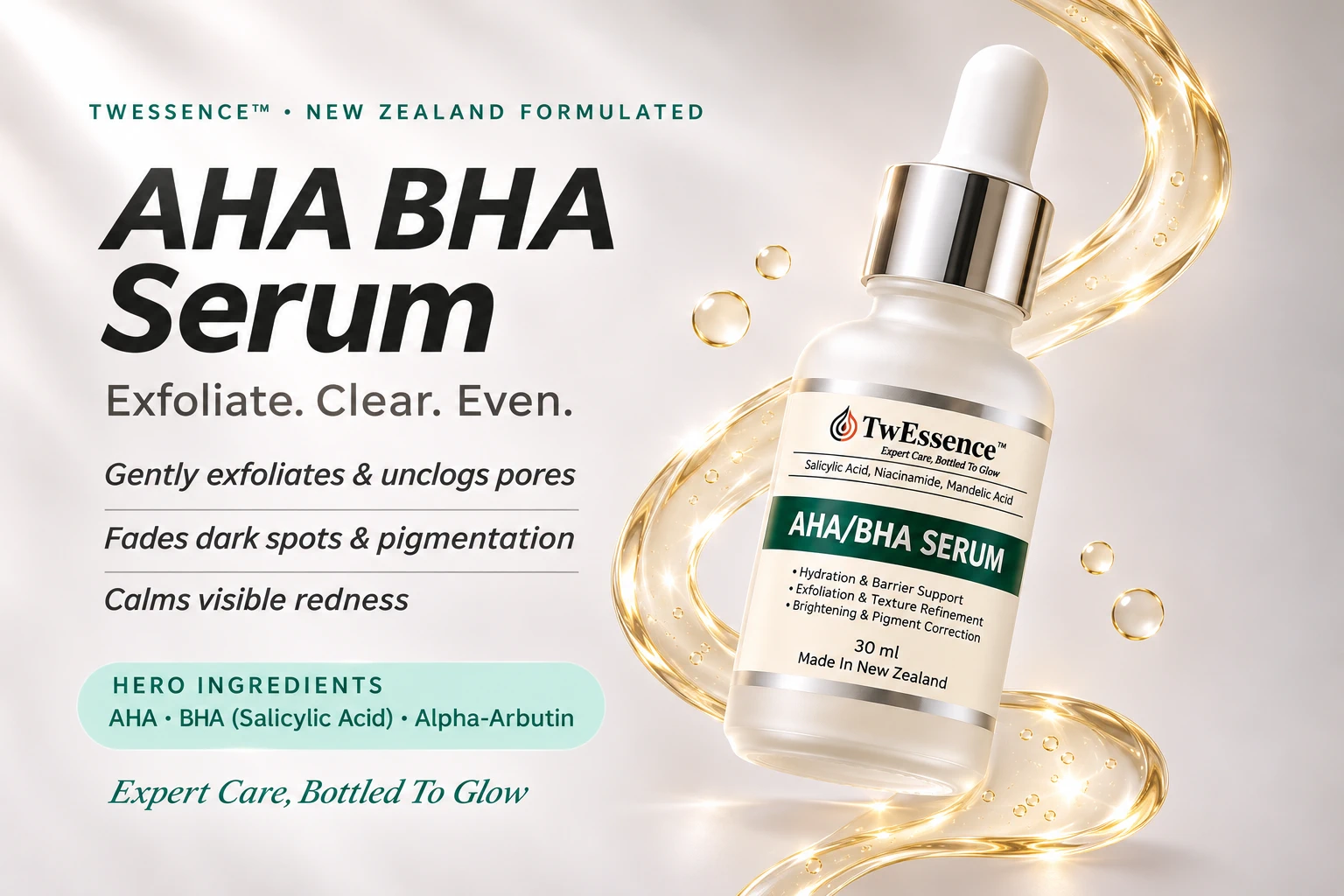

Pimples may fade, but their dark marks can linger. Learn what causes post-acne spots and which gentle habits can help keep new ones at bay.
TwEssence Skin School · 8 min read
Key takeaways
- Flat brown or greyish marks after a pimple are often post-inflammatory hyperpigmentation, not a scar.
- Picking, squeezing and harsh scrubbing may inflame the area and make lingering marks more likely.
- Managing breakouts, keeping your routine gentle and using sunscreen can help prevent new marks and support a more even-looking tone.
- Dark marks fade gradually; their appearance may take months or longer to improve.
A pimple finally settles, then leaves a brown or grey mark that seems to stay long after the breakout. If you are searching for how to prevent dark spots after pimples, the answer starts with understanding the skin’s response to inflammation—not scrubbing the mark away.
These flat patches are common, especially in skin that tends to show pigment changes after irritation. A calm, consistent routine can help reduce the chance of new marks while existing ones fade at their own pace.
The science
Why do pimples leave dark spots?
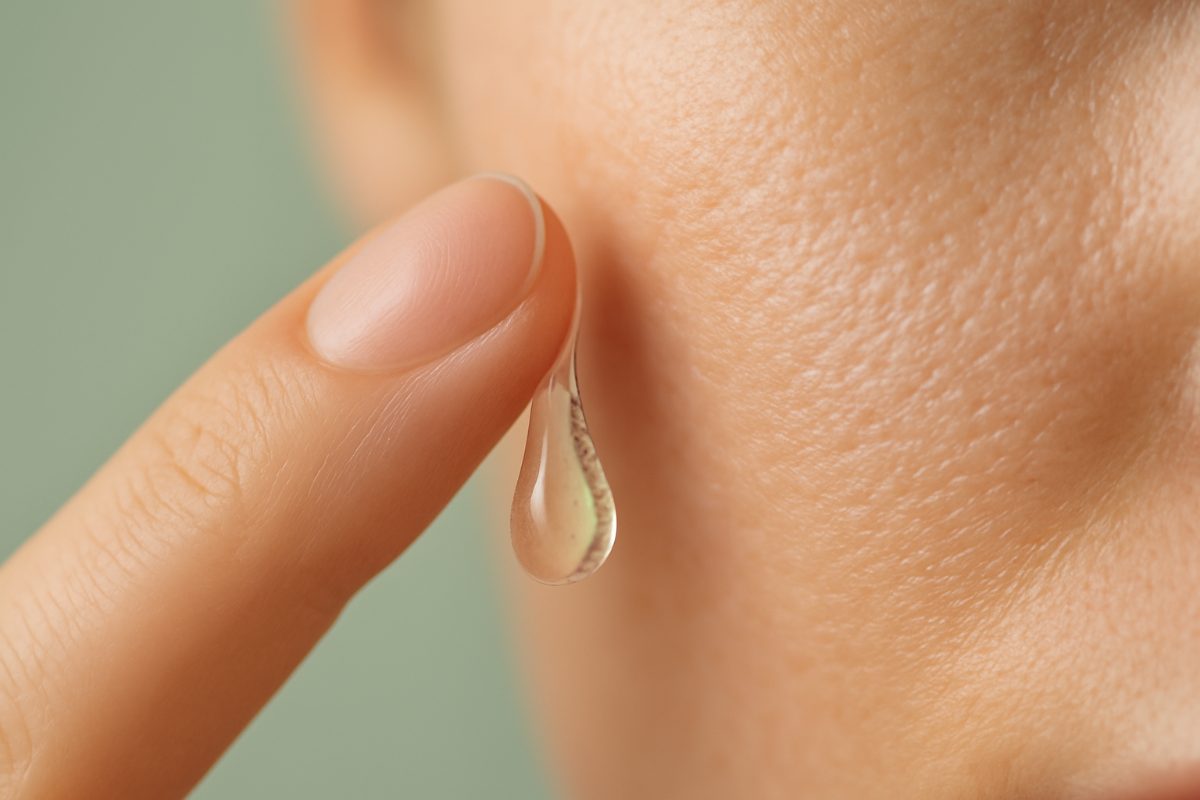
A breakout is a form of inflammation in the skin. As that inflammation settles, it can prompt pigment-producing cells to make or retain extra melanin. The result may be a flat brown-to-dark patch where the pimple was; deeper pigment can look greyish.
This colour change is called post-inflammatory hyperpigmentation, often shortened to PIH. It is not the pimple itself continuing under the skin, and it does not automatically mean you have a permanent scar. It is a visible trace of the skin’s response to irritation or injury.
Skin tone can affect how noticeable a mark becomes. In deeper skin tones, pigment changes may be more apparent and can linger. But every complexion can develop marks after acne, and the time they take to fade varies. Marks closer to the surface may gradually clear over several months, while deeper pigment can remain visible for longer.
Sun exposure can make an existing mark look darker. That means prevention is not only about what you apply to a pimple. Daily sun protection is also a useful part of caring for the surrounding skin.
Brightening & Even Tone
Is a dark mark the same as an acne scar?
Not necessarily. A flat patch of changed colour is different from a scar that creates a dip or raised area in the skin. Both can follow acne, and someone may have marks and scars at the same time, but they are not the same concern.
It helps to notice what you are seeing: is the skin’s surface level, with only a change in colour, or does it feel indented or raised? A flat mark often reflects pigmentation. Changes in skin texture may be a reason to ask a qualified professional for guidance rather than treating every leftover spot as pigment.
Also, not every new brown patch is necessarily from a pimple. If a spot is new, changing or unusual, get it checked rather than assuming it is an ordinary post-acne mark. Skincare advice is not a substitute for an assessment when something looks different from your usual marks.

A steady, comfortable routine helps you avoid unnecessary irritation.
How to use
How to prevent dark spots after pimples
The most useful prevention habits are simple, but they rely on consistency. Limit fresh breakouts that could leave new marks, and avoid adding irritation while your skin is settling. A rough scrub or a forceful attempt to clear a blemish can work against that goal.
- ✓Leave blemishes alone. Avoid squeezing, picking or scratching. Friction and picking may aggravate the area, making both discoloration and texture changes more likely.
- ✓Keep cleansing gentle. Clean your skin without vigorous rubbing. If a product stings or burns, stop using it and choose gentler care.
- ✓Use sunscreen consistently. Sun exposure may deepen the appearance of existing marks. Apply a broad-spectrum sunscreen with SPF as directed on its label, and reapply as directed, especially when outdoors.
- ✓Address recurring breakouts. Keeping acne under control may limit fresh blemishes that could leave further discoloration. If breakouts persist or are difficult to manage, seek advice from a healthcare professional.
- ✓Give marks time. A pimple can settle before its colour change does. Avoid piling on strong products in an effort to force a quick result.
Sun protection is useful even when the day is cloudy or you are not expecting a sunburn. The practical goal is to limit the exposure that can make a mark look more pronounced. Choose a sunscreen you can use consistently and follow its directions.
Take the same measured approach to exfoliation. More frequent use or harder scrubbing does not mean faster fading. Irritation can itself contribute to dark marks, so comfort matters: if your skin is persistently stinging, burning or becoming more irritated, pause the product and simplify your routine.
How to use
Build a routine that does not irritate your skin
A simple routine makes it easier to spot what your skin tolerates. You do not need to introduce several active products at once. Keep the basics steady, make one change at a time and pay attention to how your skin feels over the following days.
When you add an exfoliating product, start slowly rather than using it frequently from the outset. Follow the product’s directions, patch-test first and do not combine multiple new actives at once. Keep sunscreen in your morning routine. If irritation appears, stop and let your skin settle before deciding what to do next.
Consistency is more useful than chasing an overnight change. Dark marks may fade at different speeds, and the shade of a mark alone does not tell you exactly how long it will last. Keep the routine comfortable, protect your skin from sun exposure and assess progress over time rather than day by day.
TwEssence quick guide
Help Prevent New Marks
Tip: Introduce only one new active at a time so you can notice how your skin responds.
TwEssence™ · Expert Care, Bottled To Glow.
The TwEssence pick
A product to consider for post-acne marks
The TwEssence pick
AHA BHA Serum
For clogged pores, blackheads & rough texture
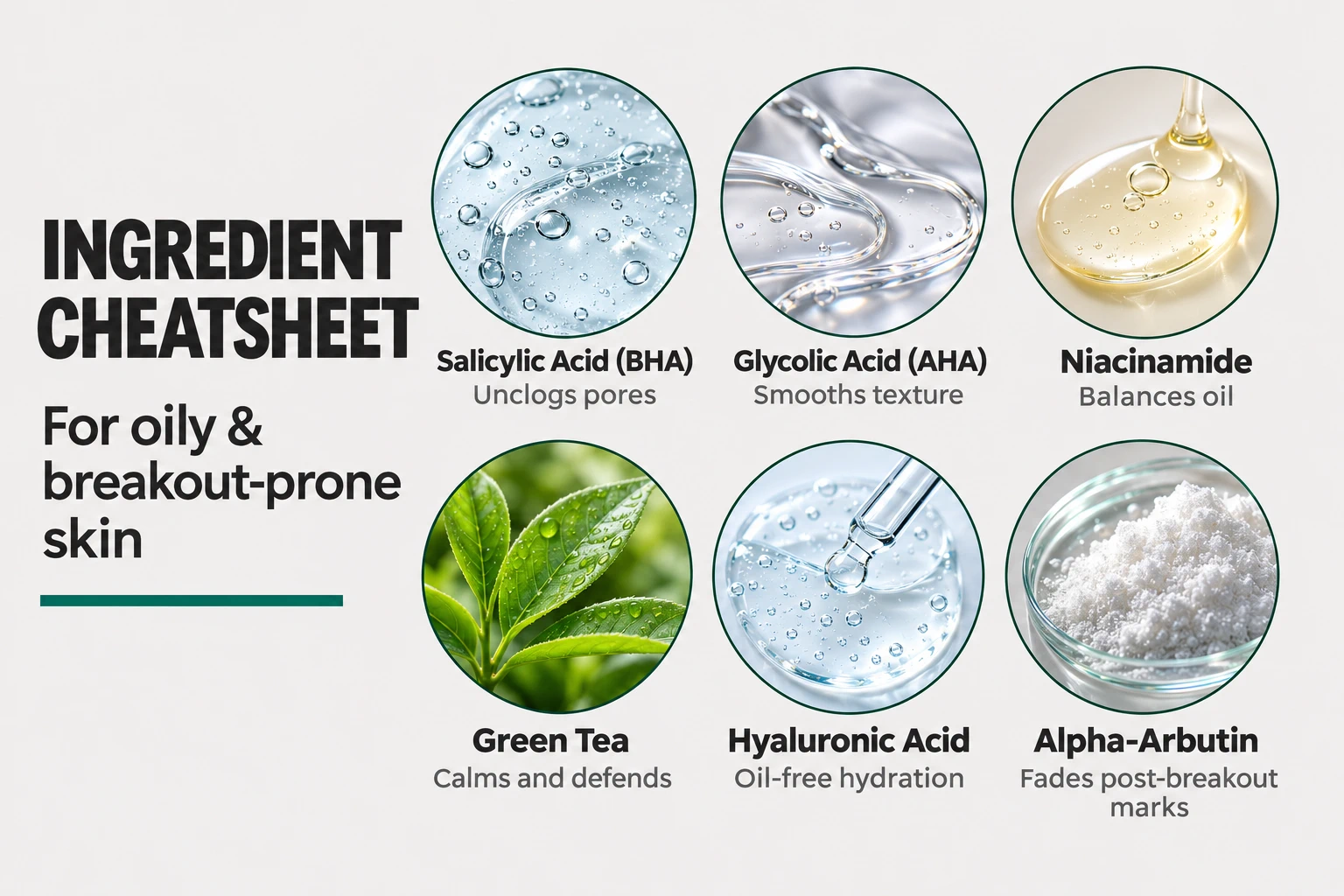
AHA, BHA and Alpha-Arbutin suit a routine focused on acne, clogged pores and post-acne hyperpigmentation.
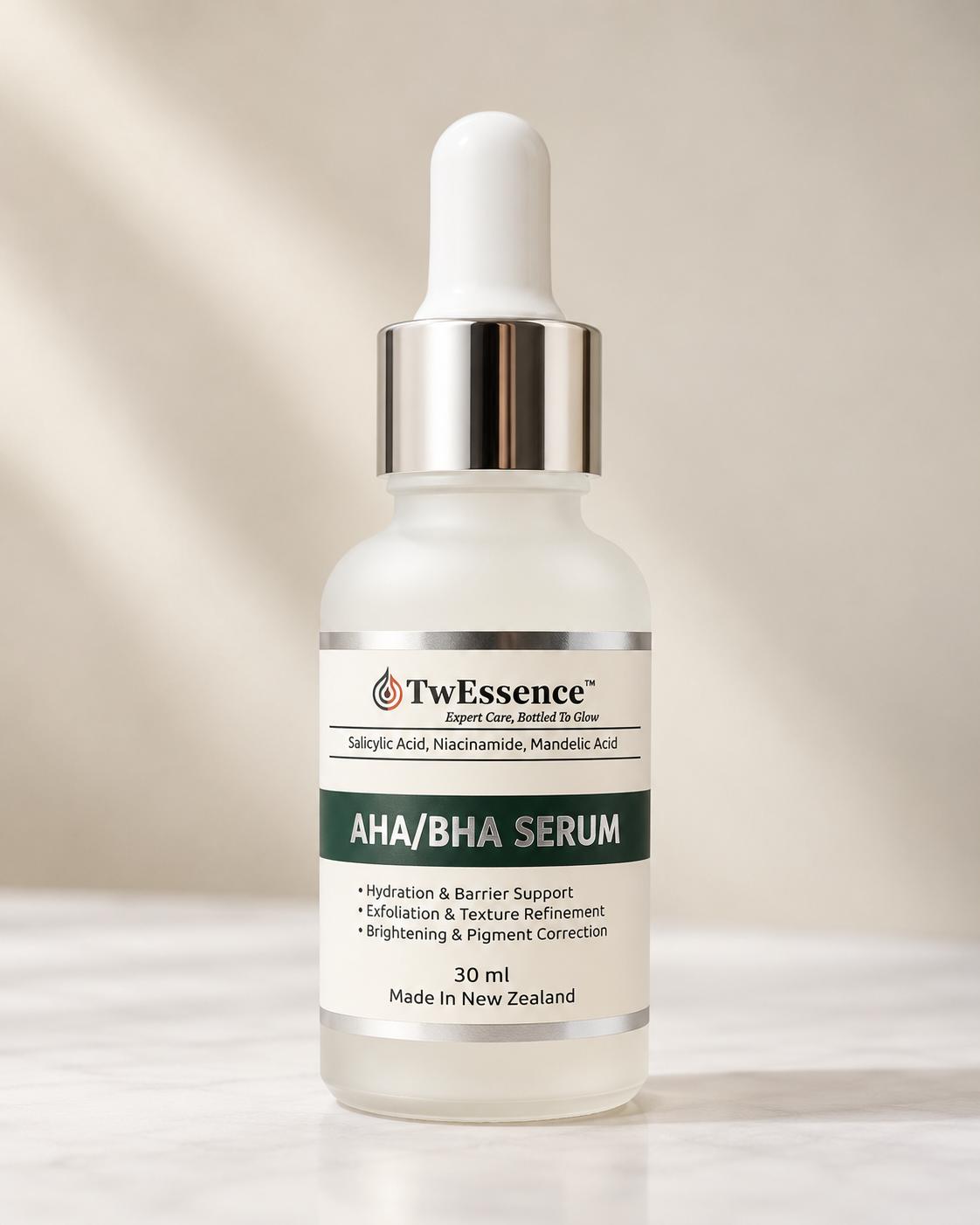
If your main concern is breakouts alongside the dark marks they leave, the AHA BHA Serum is a relevant exfoliating option to consider. Its listed key actives are AHA, BHA and Alpha-Arbutin, and the product is intended for concerns including acne, clogged pores, blackheads, rough texture and hyperpigmentation.
It may suit you if you want an exfoliating serum as part of a routine for blemish-prone skin and uneven-looking tone. It is not a reason to scrub or to use more product than directed. Introduce it gradually, patch-test before regular use and follow the directions on the product. Pair acids with daily sunscreen, and stop if you experience persistent burning or irritation.
Keep the rest of your routine uncomplicated while you work out how your skin responds. A gentle cleanser, moisturiser when needed and sunscreen provide a practical base. Remember that an active product cannot prevent every breakout or make marks disappear instantly; steady care and patience matter.
Your questions
People Also Ask
How long do dark spots from pimples take to fade?
There is no single timeline. Marks nearer the surface may gradually fade over several months, while pigment deeper in the skin can remain visible for longer. Avoiding picking and irritation and protecting your skin from sun exposure can support a more even-looking tone as marks gradually change.
Can squeezing a pimple cause a dark spot?
It can make one more likely. Squeezing or picking can inflame the skin, leaving discoloration or sometimes a change in texture. Try to leave blemishes alone, keep cleansing gentle and focus on managing recurring breakouts rather than forcing a spot to clear.
Should I exfoliate a dark spot after acne?
Exfoliation may suit some routines, but aggressive scrubbing is not a shortcut and can irritate skin. If you choose an exfoliating product, patch-test it, start slowly and follow its directions. Stop if it burns or causes ongoing irritation, and use sunscreen during the day.
Does sunscreen help with post-acne dark marks?
Sun exposure can make existing dark marks look darker, so sunscreen is a useful part of a routine. Use a broad-spectrum sunscreen with SPF as directed on its label. Regular sun protection supports your efforts to maintain a more even-looking tone while marks fade.
Are flat dark marks after pimples permanent scars?
No. A flat area of changed colour can be post-inflammatory hyperpigmentation rather than a scar. A scar involves a change in skin texture, such as a dip or raised area. If a mark is unusual or changing, have it checked rather than assuming it is from acne.
A gentler plan for post-acne dark spots
Care for your skin, slowly.
If you’re wondering how to prevent dark spots after pimples, start with gentle habits: avoid picking, manage new breakouts and use sunscreen consistently. Choose a routine your skin can tolerate, then give it time.
For an exfoliating option that matches blemish-prone skin and post-acne tone concerns, explore the AHA BHA Serum.
TwEssence™ · Expert Care, Bottled To Glow.
Great insights! Choosing the right exfoliant for your skin type and avoiding over-exfoliation are important steps toward maintaining a healthy skin barrier.
Such an insightful post!
AHA and BHA can be amazing additions to a well-planned skincare routine when used correctly. The key is understanding your skin’s needs, avoiding over-exfoliation, and keeping your skin barrier healthy with proper hydration and daily sun protection. Healthy, glowing skin starts with informed choices! 💚