

That tight feeling after a rinse can be frustrating. Learn what hard water may contribute and how to build a simple, hydration-first routine.
TwEssence Skin School · 8 min read
Key takeaways
- Hard water contains dissolved minerals, and washing with it may leave some skin feeling tight or less comfortable.
- Hard water is not the only possible cause of dryness; cleansing habits and the surrounding environment matter too.
- A short, lukewarm wash and a moisturiser after cleansing can help support skin hydration.
- Look for a routine that feels comfortable and keep changes simple while you observe your skin.
If your face feels tight, dry or a little rough after washing, hard water may be one part of the picture. The hard water skin experience can be frustrating, especially when your usual cleanser seems to leave a film or your skin feels less comfortable than it did before rinsing.
Hard water does not affect everyone in the same way, and it is not the only explanation for these sensations. You can still make your routine gentler, support your skin’s moisture barrier and notice what changes when you adjust your washing habits.
The science
Why hard water may affect how skin feels
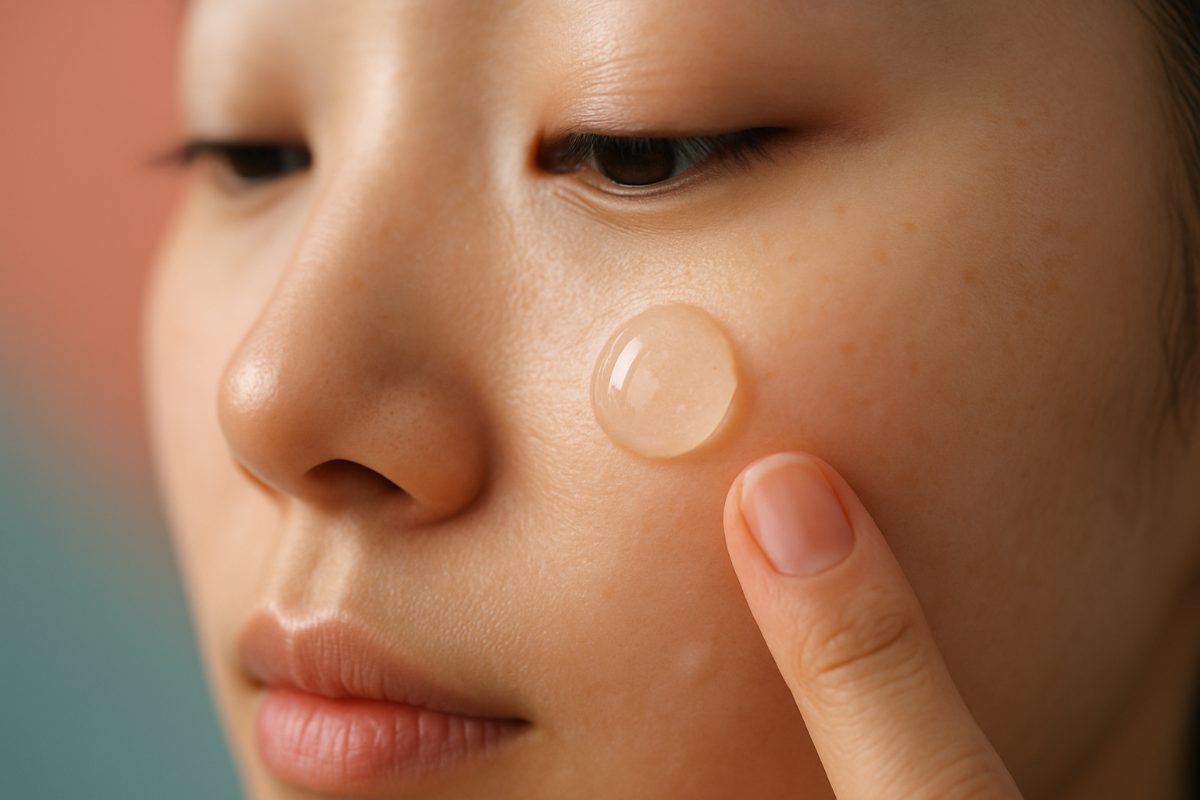
Hard water has a higher content of dissolved minerals, commonly including calcium and magnesium. When water meets soap or cleanser, minerals can interact with cleansing ingredients. Depending on the water and the product, this may make rinsing feel different or leave a residue that some people notice on skin.
That residue is not proof that your skin is damaged. It may simply contribute to a feeling of tightness or less-than-clean skin. If you rub harder or wash repeatedly to remove the sensation, however, the added friction and cleansing can make skin feel less comfortable.
Your experience also depends on the full routine. Hot water, long showers, frequent cleansing and a cleanser that feels too stripping can all contribute to dryness or tightness. Weather, indoor heating and air conditioning may influence how your skin feels as well.
Think of hard water as a possible factor to investigate, not a diagnosis. If the feeling appears after washing, try changing one habit at a time. That makes it easier to see whether a gentler rinse or a moisturiser helps your skin feel more comfortable.
Hydration & Barrier Care
The skin barrier, explained simply
The outermost part of the skin, often called the stratum corneum, helps hold moisture and serves as a protective boundary. Hydration is not just about adding water. Skin also needs support to retain moisture and maintain a comfortable surface.
When skin feels dry, tight or easily bothered, it can be useful to simplify your routine rather than adding several new treatments. Gentle cleansing and regular moisturising are straightforward steps. They do not change the mineral content of your tap water, but they can support the skin’s hydration and comfort.
Pay attention to your own pattern. Does tightness happen only after washing, or does it continue through the day? Does it change when you use a different cleanser or take a shorter shower? Notes like these can help you choose a useful next step without assuming water is the sole cause.
How to use
Build a gentler wash-and-moisturise routine
Start with the parts of your routine you can control. Use lukewarm rather than very hot water, keep face washing brief, and avoid scrubbing with a rough cloth. After rinsing, pat your skin gently instead of rubbing it dry.
If your cleanser leaves your face feeling stripped, consider whether you are using too much or cleansing more often than your skin needs. Make one adjustment at a time, and give your skin a chance to show you how it responds. If you wear sunscreen or makeup, remove it thoroughly but gently.
- ✓Wash with lukewarm water and keep the rinse comfortable.
- ✓Cleanse gently; avoid repeated washing to chase a squeaky-clean feeling.
- ✓Pat skin dry, leaving it slightly comfortable rather than rubbed.
- ✓Apply moisturiser after cleansing to support hydration.
- ✓In the morning, finish with sunscreen as part of your daytime routine.
A filter or alternative water source may be something you choose to explore, but it is not necessary to overhaul your routine straight away. Water-softening options vary, so check their suitability and care instructions. Keep your skincare basics steady while you work out whether water is influencing how your skin feels.
TwEssence quick guide
A Gentle Wash Routine
Tip: Change one habit at a time so you can notice how your skin responds.
TwEssence™ · Expert Care, Bottled To Glow.
Hydration & Barrier Care
Small habits that can make a difference
Resist the urge to compensate for a residue or tight feeling with extra exfoliation. Acids and scrubs are not required to remove mineral content from your skin, and adding them when your face already feels uncomfortable may be the wrong first move. Keep your routine focused on gentle cleansing and moisture support.
Consider your whole environment too. A change in season, travel, a new cleanser or more frequent workouts may coincide with a change in how your skin feels. Looking at the timing can help you make a calmer, more informed adjustment rather than attributing every change to hard water.
If you notice persistent discomfort, marked irritation or a change that worries you, seek advice from a qualified health professional. Skincare can support day-to-day comfort, but it cannot identify the cause of a persistent skin problem.
For everyday care, choose textures you enjoy using consistently. A lightweight moisturiser can be a comfortable option if richer creams feel too heavy, including in humid weather. Apply it after cleansing, and adjust the amount to suit how your skin feels.
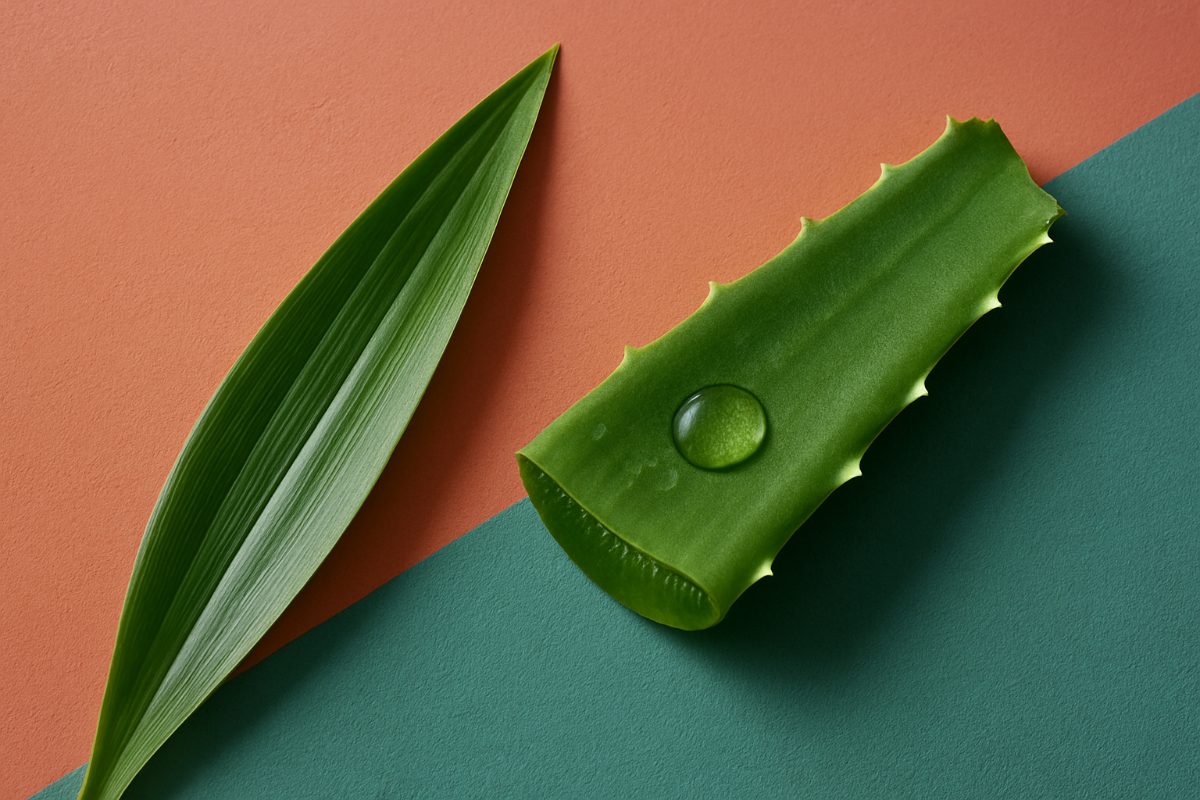
Harakeke and aloe vera are among the moisturiser’s listed ingredients.
How to use
A hydration step for hard water skin
The TwEssence pick
Hydrating Light Moisturiser
For lightweight, all-day hydration
Supports daily hydration and barrier care when skin feels dry or tight after washing.
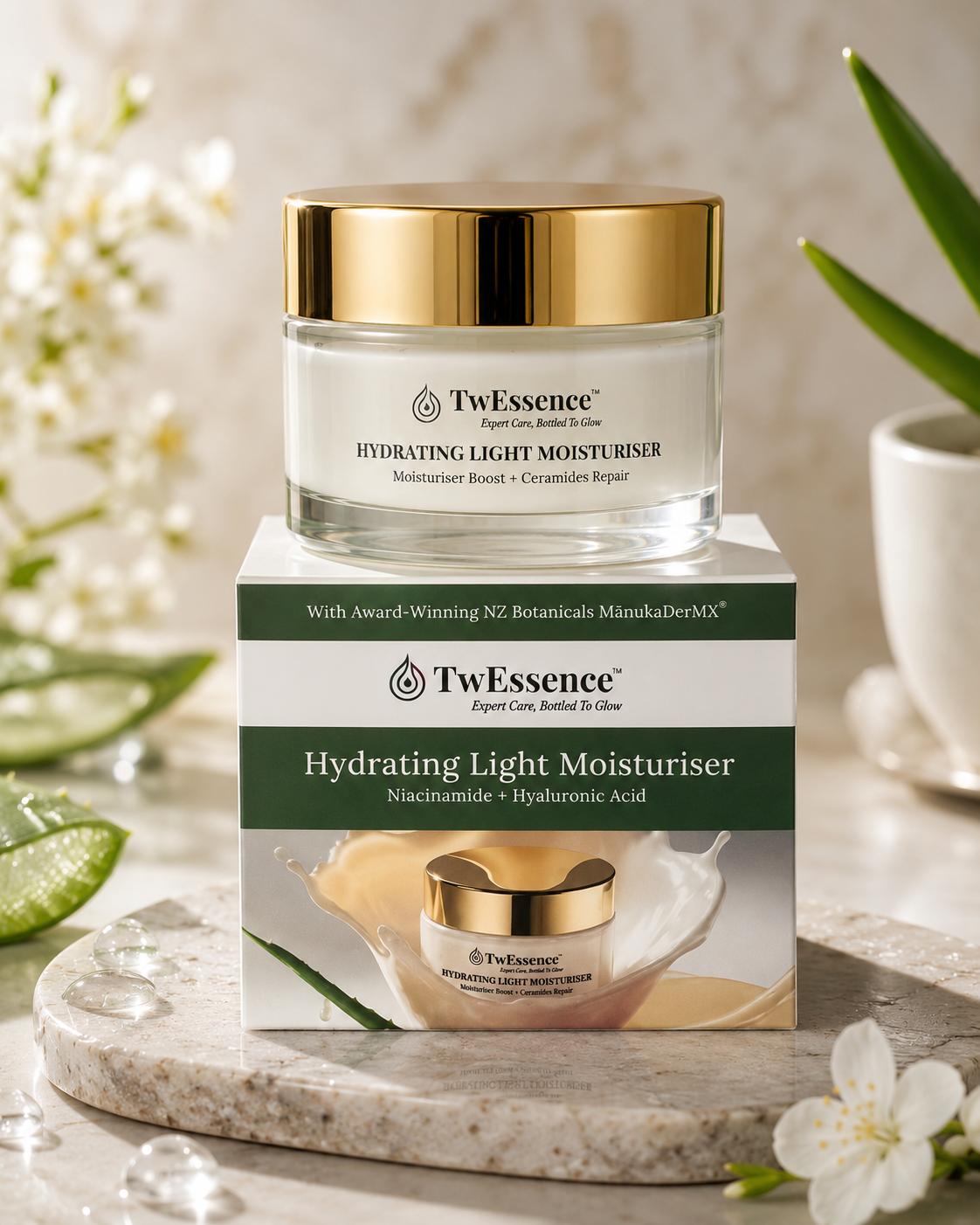
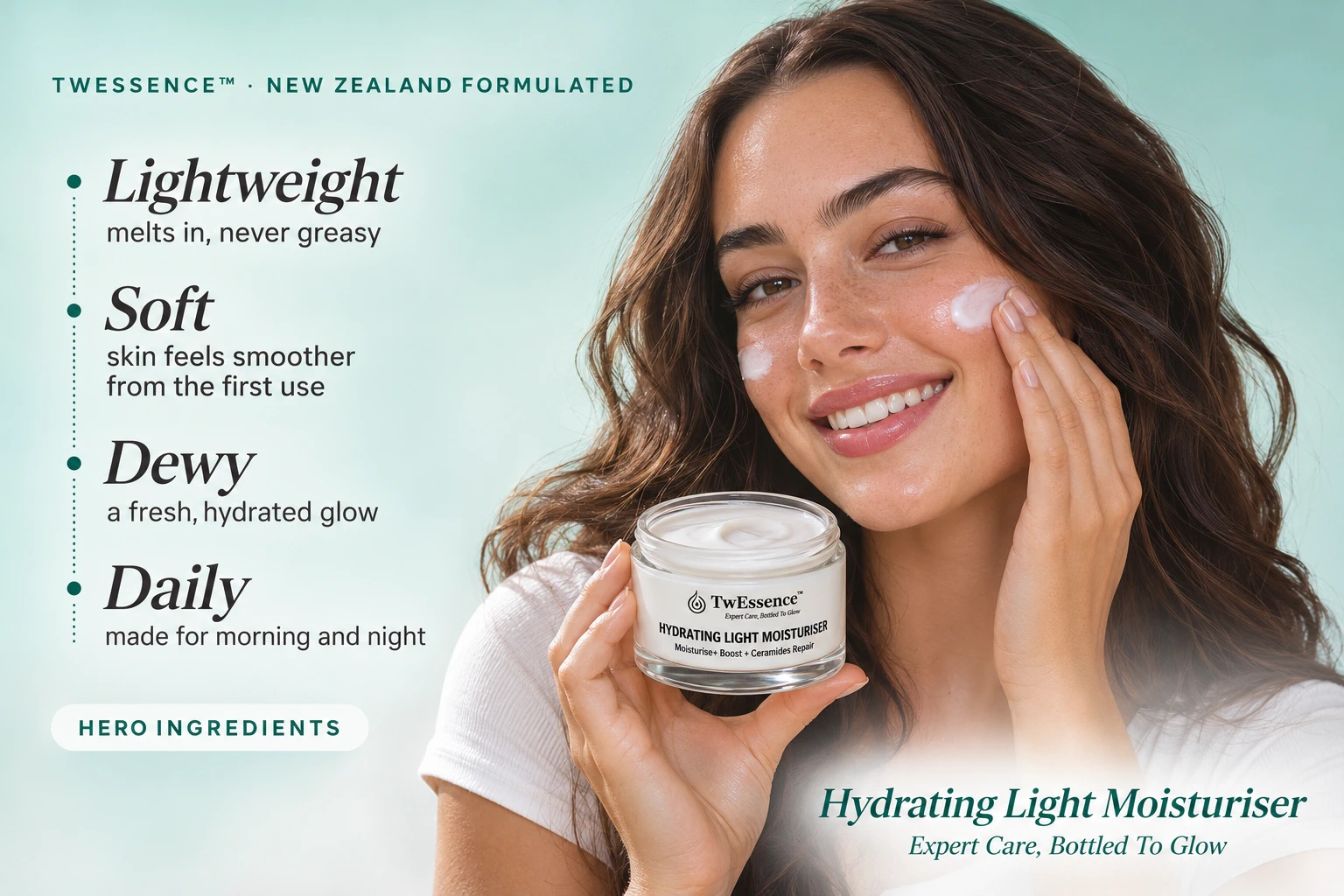
If your main concern is that your face feels dry or tight after washing, the Hydrating Light Moisturiser is a natural next step. It is designed for hydration and lightweight daily moisture, helping support a comfortable-feeling routine without making water-quality claims.
Its listed actives include Hyaluronic Acid (Sodium Hyaluronate), Niacinamide, Ceramide NP, D-Panthenol (Pro-Vitamin B5) and Sodium PCA. The formula also includes Alpha-Bisabolol, Harakeke (Phormium Tenax) Leaf Extract, Aloe Vera, Squalane and Shea Butter. Together, these are ingredients selected for a moisturising product focused on hydration and barrier support.
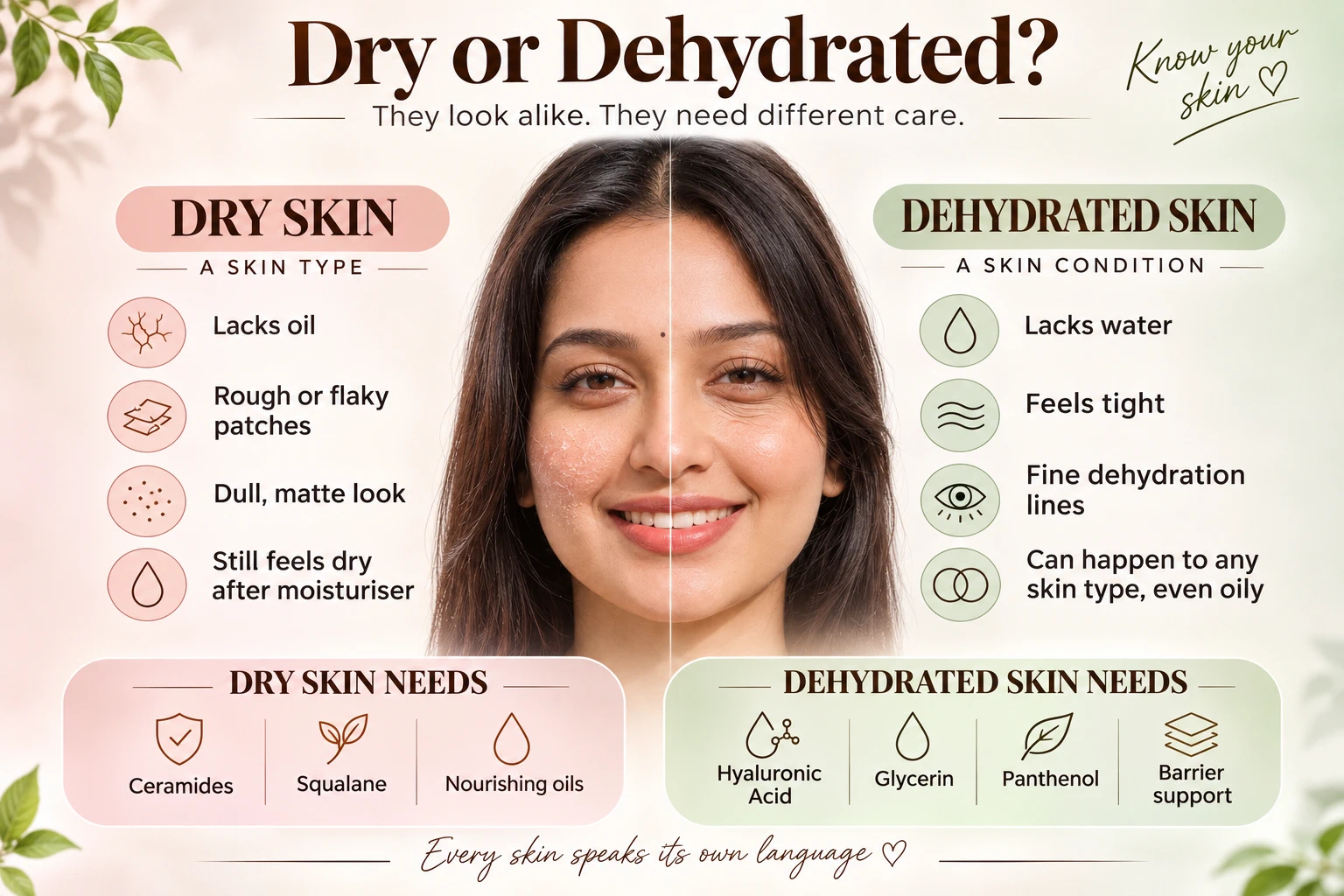
It may suit you if you want daily moisture, especially if your skin is dry or dehydrated, or if you prefer a lightweight feel. It is also listed for all skin types, with particular suitability for oily and combination skin. Choose the amount that feels comfortable for your face and neck.
- ✓After cleansing, apply moisturiser to your face and neck.
- ✓Use it morning and evening as the last step of your routine.
- ✓In the morning, follow with sunscreen.
- ✓Keep the rest of your routine simple while you assess comfort.
For a straightforward moisture step after washing, try the Hydrating Light Moisturiser as part of your daily routine.
Your questions
People Also Ask
Can hard water make your skin feel dry?
Hard water may leave some people noticing a tight or less comfortable feeling after washing, partly because dissolved minerals can interact with cleansing products. It is not the only possible cause of dryness. Hot water, frequent cleansing, weather and your cleanser may also affect how your skin feels.
How can I tell if hard water is affecting my skin?
Look for a pattern rather than relying on one wash. Notice whether tightness or a residue-like feeling tends to follow cleansing, and whether it changes with gentler washing or a different cleanser. These clues cannot confirm a cause, but they can help you make a sensible routine adjustment.
Should I use a water filter for hard water skin?
A filter or another water option is a personal choice, not a required skincare step. Options differ, so check the product’s suitability and instructions before using one. You can first try a short lukewarm rinse, gentle cleansing and moisturiser to see whether those changes make washing feel more comfortable.
What should I apply after washing my face?
After gentle cleansing, apply a moisturiser that suits your skin and feels comfortable. A product with hydrating and barrier-supporting ingredients can be a useful everyday step. In the morning, finish with sunscreen. If a product makes your skin feel uncomfortable, pause it and simplify your routine.
Support hard water skin with Hydration
Keep skin comfortably hydrated.
Hard water may be one influence on how your skin feels, but gentle washing and consistent moisturising are practical places to begin. Notice your skin’s pattern, make changes gradually and choose care that feels good to use.
Shop the Hydrating Light Moisturiser for a lightweight daily hydration step.
TwEssence™ · Expert Care, Bottled To Glow.