
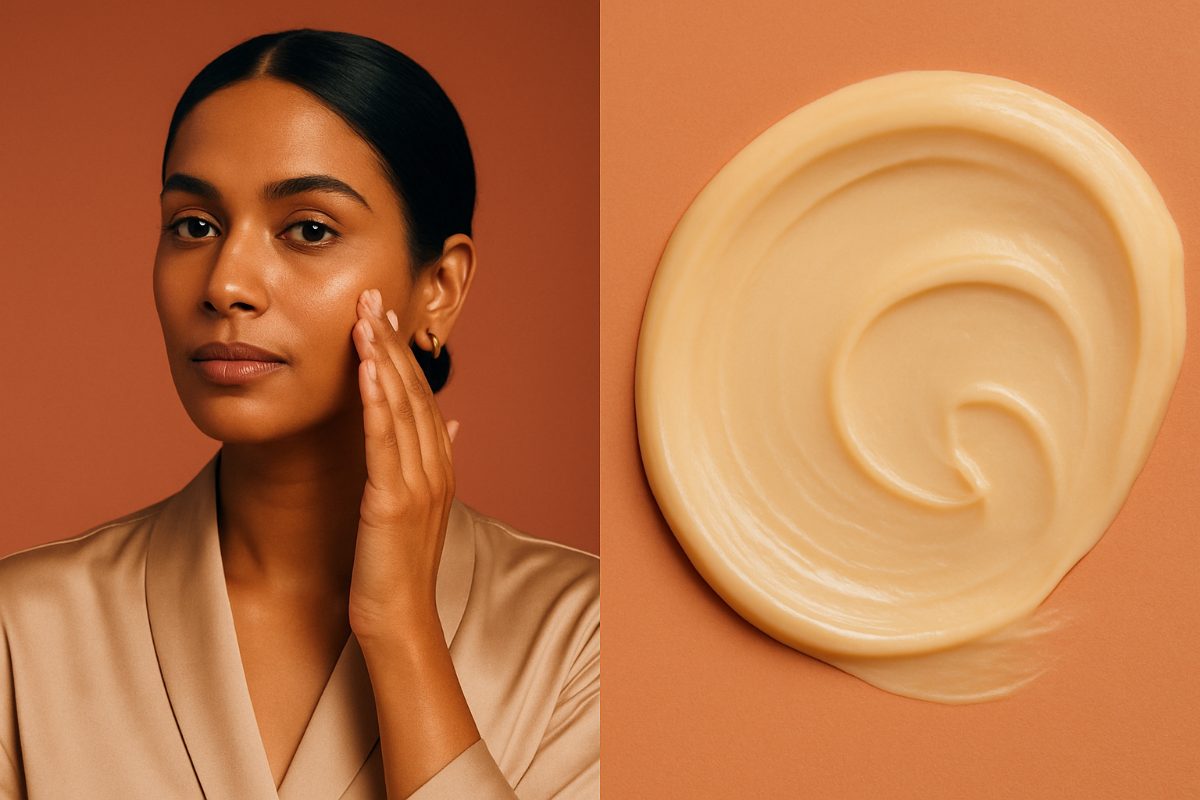

New to retinol? A slower start, careful application and steady moisturising can help make your first weeks more comfortable.
TwEssence Skin School · 8 min read
Key takeaways
- Introduce retinol gradually and use it in the evening on clean, completely dry skin.
- Keep retinol and exfoliating acids on separate nights, especially while you are starting out.
- Moisturiser supports comfort, and daily sunscreen belongs in your morning routine.
- Pause active products if you experience ongoing irritation and return to a simple routine.
You want to try retinol, but the thought of redness, tightness or peeling makes you hesitate. If you need a retinol for beginners routine that feels manageable, begin with a small amount and give your skin time to adjust.
Retinol is used to support the appearance of skin renewal, but dryness or irritation can occur, particularly when you first introduce it. A thoughtful routine helps you notice how your skin responds instead of pushing through discomfort.
The science
Why retinol can feel irritating at first
Retinol is an active ingredient associated with visible skin renewal. When it is new to your routine, your skin may need time to get used to it. Some people notice dryness, mild flaking or tightness. These responses are a reason to pay attention, not a challenge to endure.
Using a large amount, applying it too often or combining it with exfoliating acids can make a new routine harder to manage. Applying retinol to damp skin may also increase the chance of irritation. Keep your first few weeks uncomplicated so you can better tell what your skin is responding to.
Your skin’s comfort is a more useful guide than a strict schedule. If it feels settled, you can consider a gradual change. If it feels uncomfortable, take a break and keep to familiar, simple products until it feels calm again.
It can also help to avoid starting retinol at the same time as another new active. When several products change together, it is difficult to know which one your skin likes—or does not like. Add only one new product at a time.
Ingredients
Retinol basics, made simple
Retinol is a form of vitamin A used in skincare. In a routine, it can support the appearance of smoother-looking skin and help address visible signs of ageing, such as fine lines. Results and comfort vary, so keep expectations measured and focus on using it consistently at a pace your skin tolerates.
There is no need to build a complicated routine around it. A gentle cleanse, retinol on fully dry skin, moisturiser and daytime sunscreen are a practical foundation. You can keep other familiar products in place if they suit your skin, but avoid introducing several new actives at once.
Retinol products can differ, so check the product directions rather than assuming every formula is used in exactly the same way. Patch-test before facial use, and give yourself time to observe your skin after the first application. A calm start is more useful than trying to use it as often as possible.

A gradual routine gives you time to observe your skin’s response.
Ingredients
How to start retinol for beginners
Choose an evening when your skin feels settled. Cleanse gently, then let your face dry completely before applying retinol. Waiting around five to ten minutes after cleansing can make it easier to avoid applying the product while your skin is still damp.
- ✓Patch-test first, following the product directions.
- ✓Begin with one retinol evening in your first week, with recovery nights around it.
- ✓Apply a pea-sized amount to clean, completely dry skin, avoiding the eye area and lips.
- ✓Follow with moisturiser to support a comfortable-feeling routine.
- ✓Keep AHA and BHA exfoliants for a different evening.
- ✓Use sunscreen each morning and reapply according to its directions.
This is a cautious starting point, not a deadline to meet. If your skin stays comfortable for two to three weeks, you could consider adding a second retinol evening. Keep several non-retinol nights between applications at first, and increase only as your skin tolerates it.
Consider how your skin feels the next morning and over the days that follow. A little dryness may mean you need more recovery time or a slower schedule. If your routine feels comfortable, stay at the same frequency for a while before deciding whether to change it.
TwEssence quick guide
A Gentle Retinol Start
Tip: Keep exfoliating acids on different evenings and add frequency only as tolerated.
TwEssence™ · Expert Care, Bottled To Glow.
How to use
What to avoid, and when to pause
Keep retinol for evening use. Sunlight can affect retinol, and using it may make your skin more sensitive to the sun. Pair your evening routine with consistent sunscreen in the morning. Antioxidant products can be part of skincare, but they are not a substitute for sunscreen.
While you are learning how your skin responds, do not apply AHA or BHA in the same routine as retinol. Use exfoliating acids on separate evenings, or leave them out while you get comfortable with retinol. If you use other products, follow their directions and introduce changes one at a time.
Pause active products if you notice ongoing stinging or burning, pronounced redness, peeling, tightness or an unusual level of sensitivity. Keep your routine basic with cleanser, moisturiser and sunscreen while your skin settles. Once it feels comfortable, reintroduce products individually and at a slower pace.
If you are unsure what is suitable for you, or discomfort continues, ask a qualified healthcare professional for advice. Skincare should feel manageable. You do not need to press on with a product that is making your skin feel persistently uncomfortable.
Also avoid applying more product because you think it will work faster. Retinol is not a quick-fix step, and a larger amount does not make a routine more thoughtful. Measure the amount, keep application gentle and give your skin time between uses.
Keep your focus on introducing retinol at a comfortable pace.
The TwEssence pick
A beginner-friendly retinol serum
The TwEssence pick
Vegan DDS Retinol Serum
For fine lines, firmness & skin renewal
It features Vegan DDS True Retinol to support skin renewal and the appearance of fine lines.
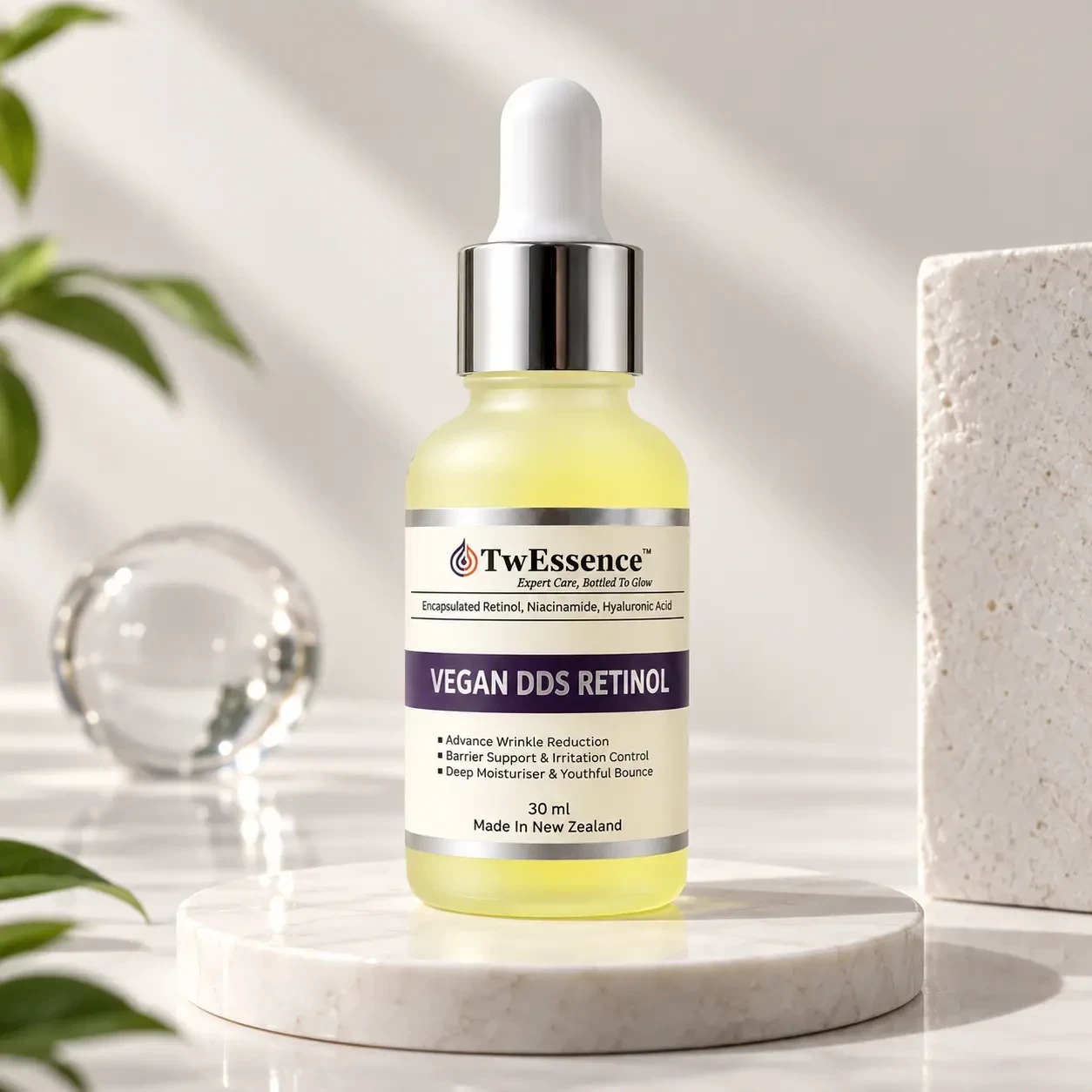
If retinol is the active you want to introduce, the Vegan DDS Retinol Serum is a natural next step to consider. It features Vegan DDS True Retinol and is intended for skincare goals such as supporting the appearance of fine lines, wrinkles, firmness and skin renewal.
This may suit you if you want to add retinol to an evening routine and are prepared to introduce it gradually. Begin with a patch test and use it as directed on clean, completely dry skin. Start with one evening in your first week, then let your skin’s response guide any change.
Keep the rest of your routine straightforward: moisturise after application, separate retinol from exfoliating acids and use sunscreen each morning. If you are new to active skincare, avoid adding another unfamiliar product during the same period. That makes it easier to keep track of what is working for your routine.
There is no need to rush toward frequent use. If your skin remains comfortable for a few weeks, you can consider a second weekly evening. The Vegan DDS Retinol Serum is best approached patiently, with your own skin’s comfort setting the pace.
Your questions
People Also Ask
How often should a beginner use retinol?
Begin with one evening in your first week, with recovery nights between uses. If your skin remains comfortable for two to three weeks, you can consider adding a second evening. Increase gradually and only as tolerated; you do not need to work toward nightly use. Pause or reduce frequency if dryness or sensitivity becomes uncomfortable.
Should I apply retinol to damp or dry skin?
Apply retinol to clean, completely dry skin. Damp skin may increase the chance of irritation, so let your face dry after cleansing before applying the serum. Waiting around five to ten minutes after washing can help. Follow with moisturiser once you have applied the product as directed.
Can beginners use retinol with AHA or BHA?
It is sensible to use retinol and exfoliating acids on separate evenings, particularly when you are new to either active. Using several actives together may make a routine harder to tolerate. Start with one active at a time, keep recovery nights and pay attention to how your skin feels.
Do I need sunscreen when I use retinol?
Yes. Retinol may make your skin more sun-sensitive, so include sunscreen in your morning routine and follow its directions. Retinol is best kept for evening use. Sunscreen remains a useful daily step even when you take a break from retinol, and it does not replace careful product introduction.
What should I do if retinol irritates my skin?
Pause active products if you notice ongoing stinging or burning, pronounced redness, peeling, tightness or unusual sensitivity. Keep your routine simple with cleanser, moisturiser and sunscreen while your skin settles. Reintroduce products one at a time and more slowly. If discomfort continues or you are uncertain, ask a qualified healthcare professional.
Retinol for Beginners: Your Next Step
Start slowly, glow steadily.
Starting slowly gives you room to notice what your skin needs. Keep your routine simple, moisturise consistently and let comfort—not a calendar—guide how you build frequency.
Shop the Vegan DDS Retinol Serum and begin with a measured, patient approach.
TwEssence™ · Expert Care, Bottled To Glow.